Cut Costs and Boost Efficiency: Smart Tech That Works
Tech News
When people talk about energy efficiency tech that “pays for itself,” they mean upgrades that save enough on utility bills over time to cover what you paid to install them. After that point, the savings become real money in your pocket. Most of these savings come from using less electricity, gas, or fuel.
Not every product on the market fits this definition. Real payback means you can estimate how long it will take before your savings add up to equal your cost. Shorter payback periods mean you get value back faster and take less financial risk. Many LED lighting upgrades, for example, pay for themselves in about a year because they use up to 75–80 % less energy and last far longer than old bulbs.
How This Tech Works Over Time
At its core, energy efficiency is about cutting waste. In most buildings, a lot of energy disappears through old lighting, leaky insulation, inefficient heating or cooling, or outdated equipment. Fixing those weak points reduces energy use steadily month after month.
For instance, replacing traditional lighting with LEDs can cut lighting energy use by around 50–75 % and often comes with rebates from utility companies that shorten the payback even more. Smart thermostats can lower heating and cooling waste by adjusting temperatures when spaces are empty.
Beyond direct bill savings, reducing strain on mechanical systems often lowers repair costs and extends equipment life. Higher‑performance windows or improved insulation help heating and cooling systems run less often, so you see indirect savings over time too. Practical planning—like sealing air leaks before insulating—can double the impact of your investment and shorten the time until you break even.

Energy Efficiency Tech That Pays for Itself the Fastest
LED Lighting Systems
LED bulbs are one of the simplest upgrades that start saving you money right away. Compared with traditional incandescent or CFL bulbs, LEDs use around 75 to 80 % less electricity and last far longer. In many homes, switching to LEDs can pay back the upfront cost in about six to twelve months. Focus first on the fixtures you use most, like kitchens and living areas, to get the biggest early savings.
Choose warm‑white LEDs (2700–3000 K) for rooms where you want a relaxed feel and consider adding simple dimmers or occupancy sensors to cut even more waste. If your utility offers rebates for efficient lighting, stacking those with bulk purchases can shorten your payback even more.
Smart Thermostats
Smart thermostats help cut heating and cooling waste by automatically adjusting temperatures when rooms are empty. Most models learn your schedule and adapt without you having to think about it. Real‑world data shows they often reduce HVAC energy use by roughly 10–30 %, with many households seeing simple payback in one to two years.
For best results, pick models that are ENERGY STAR certified and pair them with scheduling features or geofencing (so they know when you’re away). If your utility offers time‑of‑use rates or rebates for smart thermostat installations, that extra reward shortens how long you wait to break even.
High‑Efficiency HVAC Systems
Heating and cooling typically account for the largest share of a building’s energy use. Upgrading to a high‑efficiency HVAC system can lower that burden significantly. Modern units use 30–50 % less energy than very old systems and run more consistently, which also reduces maintenance frequency.
Because these systems cost more upfront, their payback usually takes longer than lighting or thermostats. However, federal tax credits and local utility rebates available through 2032 can reduce net cost by hundreds or even a couple thousand dollars, bringing the break‑even point into a more reasonable range.
To squeeze more value from your HVAC investment, seal air leaks and insulate before you upgrade. That way the new system doesn’t have to work as hard, pulling your payback period inward.
Solar Panels with Net Metering
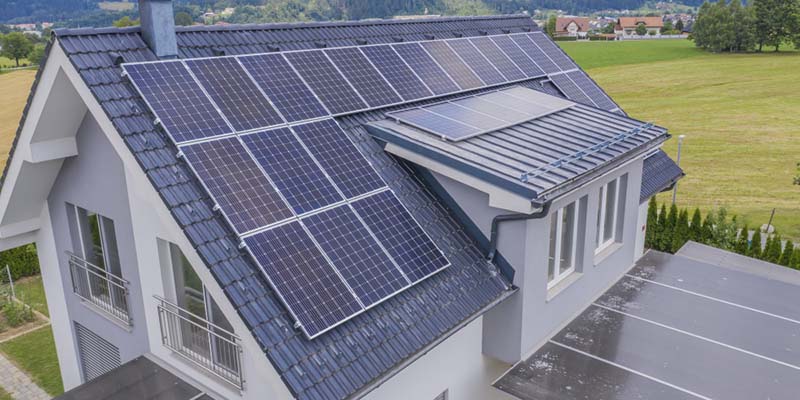
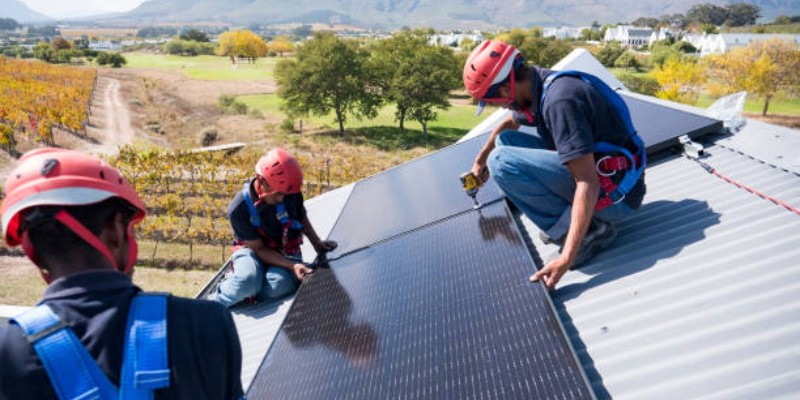
Solar panels can start paying for themselves when you generate more power than you use and send the extra back to the grid. With net metering, those credits reduce your utility charges, so the system effectively lowers your annual electricity cost. For many homeowners, a typical solar setup starts to break even in the 7–10‑year range after federal tax credits and state incentives.
Actual results vary widely by solar resource, electricity rates, system size, and net‑metering rules. In sunnier regions with generous net‑metering, some homeowners see payback closer to the short end of that range. It helps to get multiple quotes and check local policies before committing.
Energy‑Efficient Appliances
Old appliances can quietly waste a lot of energy. New ENERGY STAR‑rated refrigerators, washing machines, and water heaters use significantly less power without changing how you use them. In many cases, replacing a decades‑old appliance can pay back the cost in a few years just from the lower energy bills.
When you’re choosing new appliances, look beyond the sticker price. Check the annual energy use labels and calculate your expected savings based on your local electricity or gas rates. Sometimes a slightly more efficient model costs a bit more up front but saves enough to make it the smarter buy over time.
Energy Efficiency Tech That Pays for Itself in Homes
Many everyday energy upgrades can cut utility bills noticeably and start paying for themselves quickly. Simple tech like LED bulbs and smart thermostats often reduces electricity use right away. For example, switching to LED lighting can use up to 75–80% less energy than old incandescent bulbs and often pays back its cost in under a year.
Federal tax credits in the U.S. currently cover up to 30 % of eligible home efficiency upgrades like heat pumps, insulation, windows, and solar systems, which effectively lowers your upfront cost and shortens the payback period.
Homeowners can also boost savings by sealing air leaks, optimizing thermostat schedules, and tracking energy use with a simple energy monitor or app. Prioritize fixes in the attic, around doors, and on old appliances to get the biggest monthly bill impact first.
Renters may not install big systems, but they still benefit from efficient lighting, smart plugs, and weatherstripping around windows and doors.
Energy Efficiency Tech That Pays for Itself in Businesses
Businesses typically have higher energy use and longer operating hours, which means bigger savings potential. Switching to LEDs, installing programmable controls, and using smart thermostats can often pay back in a few years. For many commercial lighting upgrades, payback falls in the 1–3‑year range.
Upgrading HVAC systems and implementing basic automation also deliver solid returns. An energy management system that tracks use and adjusts systems automatically can lower consumption and identify wasteful patterns. Combine these with regular maintenance to maximize equipment life and savings.
Efficiency improvements also help businesses manage exposure to rising energy costs and can make operating margins more predictable as utility rates fluctuate.
How Long Does Energy Efficiency Tech Take to Pay for Itself
Short-Term Payback Under Two Years
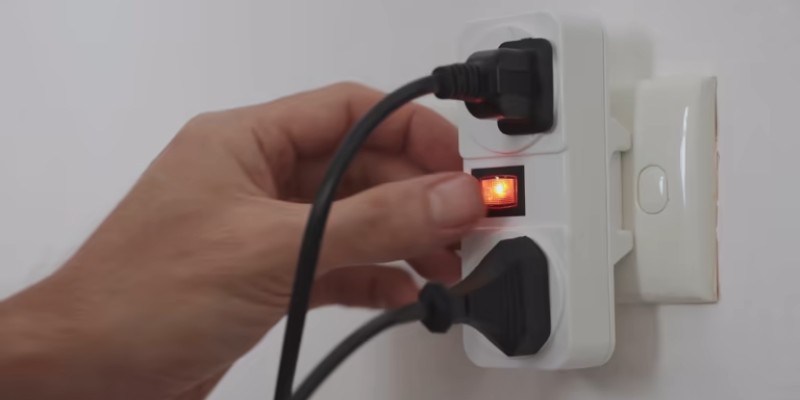
Low‑cost upgrades usually deliver the fastest results. LED lighting, smart thermostats, air sealing, and power strips that prevent “phantom” power waste can start trimming your bill almost immediately.
Medium-Term Payback Two to Five Years
Mid‑range investments like attic insulation, ENERGY STAR appliances, and heat pump water heaters tend to recover costs steadily. Sealing ducts before adding insulation often doubles savings and shortens payback.
Long-Term Payback Five to Ten Years
Bigger systems, such as full HVAC replacements, solar arrays, and comprehensive building automation, usually take longer to pay back but keep saving for decades. Federal incentives and utility rebates can shave years off these timelines.
How to Calculate If Energy Efficiency Tech Will Pay for Itself
Figuring out whether an upgrade will recover its cost is simple math that anyone can do. First, add up the total cost of the upgrad,e including installation and any permits. Next, estimate how much you will save on your utility bills each year because of that upgrade.
Use this basic formula:
Payback Period = Total Cost of Upgrade ÷ Annual Energy Savings
For example, if an upgrade costs $1,000 and you save about $250 a year on electricity or gas, the payback period would be about four years. This shows how long it will take before your cumulative savings equal what you spent.
To estimate annual savings, utility bills are usually the most accurate source. Look at a full year of past bills to understand how much energy you currently use and what it costs. If you’re replacing old equipment, use the difference between old and new annual energy costs to estimate savings.
In reality, actual savings can differ. If your usage habits change after the upgrade, your results will too. Using conservative estimates for savings helps avoid disappointment. One practical tip is to track your usage for a few months before and after the upgrade so you can refine your calculations and see the real impact on your bills.
Hidden Factors That Affect Payback Speed
Energy prices vary a lot by place and time. Higher electricity or gas costs mean you save more each year, which shortens the payback period. Regions with high utility rates often see faster financial returns.
Climate matters, too. Homes in very hot or cold areas use more heating and cooling, so improvements there tend to show savings faster than in mild climates.
The quality of installation also affects results. Upgrades that are done poorly or without attention to detail can underdeliver savings. Consumer energy programs routinely stress that proper setup and calibration are crucial for expected results. Getting a qualified installer or doing a basic energy assessment before work begins can make a big difference.
Common Myths About Energy Efficiency Tech That Pays for Itself
A lot of people assume that all energy‑saving technology must be expensive or exotic. In reality, many common upgrades like LED lighting and better insulation cost relatively little and can pay back quickly when you use them where they matter most.
According to a 2024 technical note on energy efficiency, many simple efficiency opportunities have low costs and short payback periods. Almost half of the recommended upgrades in industrial settings cost less than $5,000, and more than a third showed payback in under a year.
Another myth is that energy savings should happen instantly. Even the fastest paybacks take time because savings accrue month by month on your utility bills. Also, cheap products with vague “energy‑saving” claims don’t guarantee real savings. Some low‑cost gadgets sold online have been found to offer little measurable benefit and, in some cases, pose safety concerns.
It’s also worth remembering that recognized efficiency standards matter. Products or systems certified by trusted programs like ENERGY STAR have been independently tested to meet specific efficiency criteria, which helps you avoid paying for underperforming equipment.
Who Benefits Most From Energy Efficiency Tech That Pays for Itself
Homeowners with high energy use tend to see the biggest gains because they spend more on heating, cooling, and lighting. Small businesses often see faster returns, too, since they might use lighting and HVAC for longer daily hours, which accelerates the savings. Regions with high electricity or fuel costs get more value from the same upgrades compared with places where energy is cheap.
Matching the technology to how and when you actually use energy is what creates reliable results. For example, focusing first on the largest energy users in your home or business tends to deliver faster payback than spreading upgrades thinly across many minor uses. Using an energy audit or simple usage monitor before buying anything can help you prioritize wisely.
Making Smart Choices With Energy Efficiency Tech That Pays for Itself
To get the most value, it helps to prioritize reducing waste before adding new energy sources. In practice, this means fixing drafts, sealing leaks, and improving insulation before investing in major equipment upgrades. That approach makes both old and new systems work better and cuts energy waste at the source.
When chosen carefully, energy efficiency upgrades don’t feel like expenses that sit on your balance sheet. Over time, they can act more like financial tools that lower operating costs and reduce uncertainty around future energy bills. One practical tip is to check for federal tax credits available through 2025 that can lower the upfront cost of certain upgrades by up to 30 %, making it easier to reach payback sooner.
Share this article:
Recommended For You

Most Viewed
ADVERTISEMENT